|
1
|
- From American Reading Instruction by Nila Banton Smith, pages 185-246
|
|
2
|
- New emphasis in public schools that embraced silent reading, speed,
reading disability, and other innovactions
|
|
3
|
- One group of theorists believed that children should be given practice
on sequenced skills that are carefully planned by an adult
- The other group was convinced that learning best took place when the
child was allowed to carry out his/her own purposes, meeting and solving
problems within the context of experience and through own activities
|
|
4
|
- How adults used reading in their lives
- Children’s reading interests
|
|
5
|
- Varied approaches to teaching reading and included
- Reading charts composed by children
- Reading Mother Goose rhymes, plus stories composed by the children
- Reading and performing action sentences plus reading stories composed
by children about pictures
- Dramatizing the pictures and phrases and sentences concerning them
- Telling the first book story, then dramatizing and reproducing it
- Reading from prepared charts containing the early primer vocabulary
|
|
6
|
- Some teachers believed phonics instruction to be misplaced and that it
had no value.
- No textbook series abandoned phonics completely
|
|
7
|
- Gates—Work Play Books
- Gates against phonics drills in isolation and in favor of practice
exercises in which children had to discriminate among word forms in
meaningful settings. Favored
systematic, sequential instruction
|
|
8
|
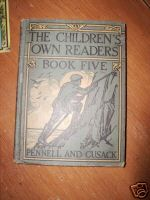
- Pennel and Cusak—phonics, when wisely taught, is justified for most
children because it provides independence in the recognition of words
|

 Notes
Notes